Fremont Line Marks Humanoid Shift
Tesla converts legacy car space to produce million-unit annual robot capacity.
By Jian Chen ·
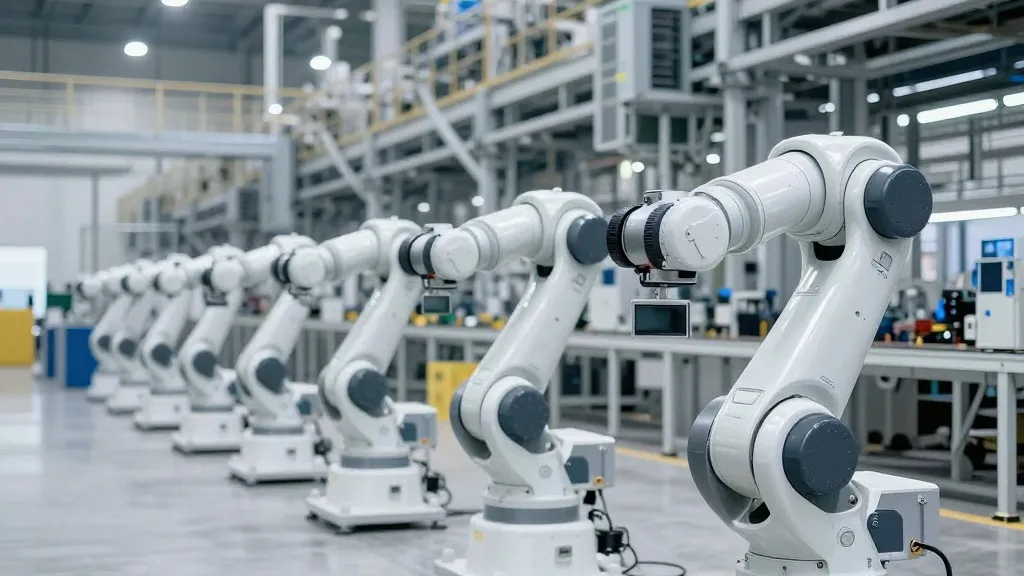
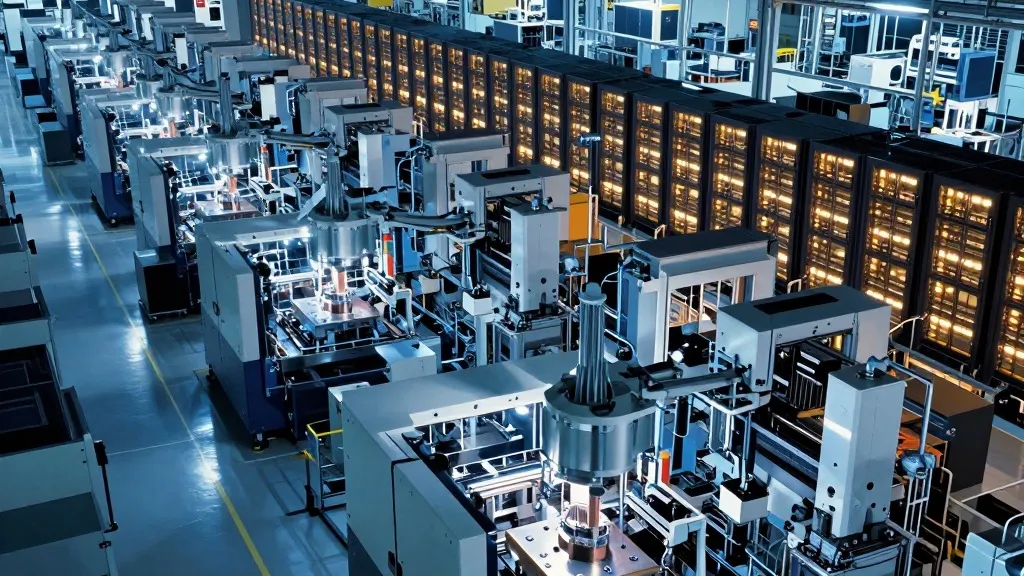
The industrial landscape in the Southwest and beyond is shifting as Tesla begins manufacturing humanoid robots on the same high-volume lines previously dedicated to luxury sedans and SUVs. For observers tracking the region's manufacturing evolution, this marks a transition from building consumer vehicles to producing industrial assets designed for dangerous and repetitive labor. The company asserts that the units leaving the Fremont facility are the first to meet strict production-quality standards, signaling a move from experimental prototypes to commercial-ready hardware.
The physical transformation of the facility was rapid. Tesla cleared out the Model S and Model X assembly space in just 46 days during the spring. This area is now configured to support an annual output of one million units. According to CEO Elon Musk, the majority of the equipment required for this capacity is already installed. As the production line ramps up, weekly output is expected to climb toward 20,000 robots, a trajectory he describes as a classic S-curve with a shallow initial slope.
The leadership team is currently focused on refining the robot’s artificial intelligence, electromechanical design, and reliability. Musk expects this phase of development to conclude by the end of next year. At that point, Tesla plans to begin delivering Optimus units to external companies. These robots are specifically engineered to handle tasks that are hazardous to humans or require around-the-clock operation, effectively removing people from high-risk environments.
A critical challenge in this new sector is data acquisition. Unlike Tesla’s automotive fleet, which sends real-world driving data from millions of vehicles back to the AI team, the robot program lacks a comparable existing fleet. To solve this, Tesla is establishing an "Optimus Academy." This system will utilize 10,000 to 20,000 robots to practice a wide variety of tasks. The insights gained from these units will feed directly into the next version of the model, ensuring that every robot produced contributes to the collective intelligence of the network.
Hardware advancements are also accelerating. Tesla intends to integrate its AI5 chip into the Optimus units next year. Musk indicated that a new video demonstrating the robot performing tasks driven by AI, rather than preprogrammed motions, will be released within one or two months. He contrasted this approach with rival humanoid demonstrations that rely on scripted routines, arguing that such methods will not hold up in unpredictable real-world conditions.
The supply chain is aligning with these production goals. In September, Tesla certified Tuopu, Joyson, and Sanhua as mass production partners for key Optimus components. Meanwhile, a much larger dedicated facility is rising at Giga Texas. Drone footage recently captured shows the steel frame of that plant nearing completion. Musk has set a long-term target for that location to produce 10 million robots annually.
Cost engineering is central to the strategy. Executives noted that Optimus production costs are trending toward the expected manufacturing cost of the Cybercab, indicating the robot is being designed for volume from the outset. However, the hands remain the most difficult component to perfect. This area is currently the focus of much of the engineering effort, a challenge Musk highlighted during the recent X Takeover event.
Source: Teslarati