Trump Demands AI Hyperscalers Share Energy Profits with Local Grids
The administration is pushing new energy dividend rules to offset rising utility bills for residents near data center construction sites.
By Yasmin Farouk ·
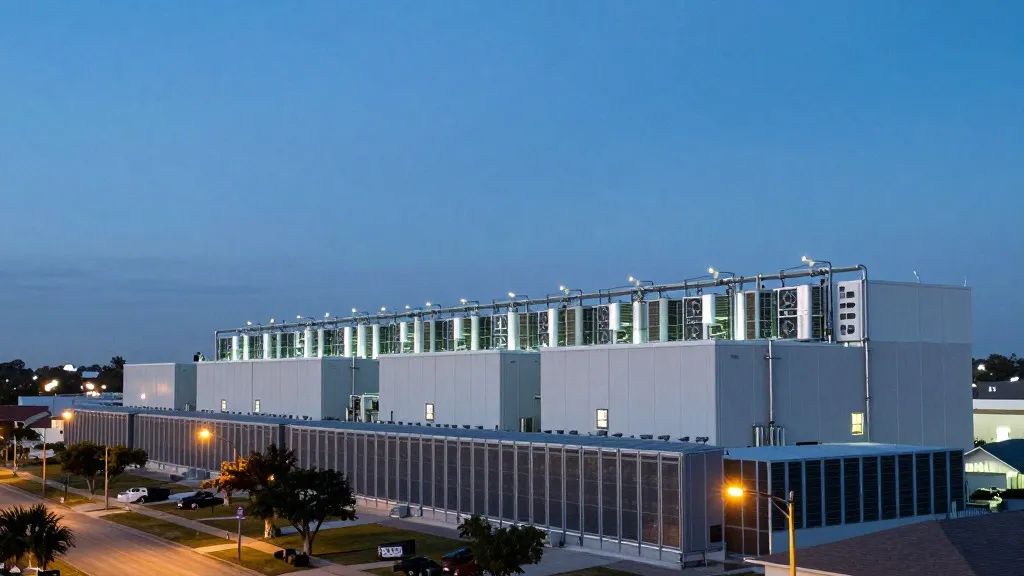
President Donald Trump has directed major artificial intelligence developers and data center operators to provide financial dividends to local communities, aiming to mitigate the impact of rising energy costs. In a statement on Truth Social, the President outlined a mandate requiring these entities not only to generate their own electricity but also to return excess power to the local grid or sell it back to residents. This move is designed to make the presence of large-scale computing facilities more acceptable to the neighborhoods hosting them.
Local opposition to data center expansion has intensified across the United States, driven by significant environmental and economic burdens. Residents in small communities frequently report increased electricity rates, noise pollution, water scarcity, and air quality issues. The administration views these projects as critical to maintaining a competitive edge over China in the global AI sector. By requiring developers to share energy benefits, the White House hopes to secure public support while accelerating infrastructure deployment.
The proposal builds on previous executive orders that required data centers to be self-sufficient in power generation. Under the new framework, any surplus energy produced by on-site generators would be used to lower local electricity costs. This approach aligns with a recently enacted law that obligates data center operators to cover the expenses of grid upgrades, preventing those costs from being passed on to local taxpayers. The administration believes that alleviating the direct burden of utility hikes will significantly improve community relations.
Trump emphasized the economic incentive for cooperation, noting that unpopular projects often become popular once a financial agreement is reached. He urged developers to negotiate deals immediately to facilitate construction, stating in his post, "MAKE DEALS, and get them built!!!" This directive signals a shift toward a more collaborative regulatory environment, where financial compensation serves as a primary tool for resolving local grievances.
However, the practical implementation of these dividends remains uncertain. While the energy component addresses a major pain point, it does not resolve other concerns such as high water consumption, ecological degradation, and pollution. Critics note that new data center projects are often not profitable in their initial stages, raising questions about the timing and structure of these payments. The choice of the term "dividend" also invites scrutiny, as companies typically distribute such funds only after achieving sustained profitability.
Market observers are watching to see how hyperscalers will respond to these new requirements. Some suggest that the mandate may encourage developers to seek more efficient power solutions or negotiate long-term energy contracts with local utilities. The coming months will determine whether these financial incentives are sufficient to overcome local resistance and keep the AI infrastructure pipeline moving forward.
The next phase will involve detailed negotiations between data center developers and local utility providers. As the administration pushes for faster deployment, the focus will remain on ensuring that the energy costs associated with advanced computing do not disproportionately burden the communities that host these facilities.
Source: Tom's Hardware