122 Acres: Amazon Dumps Data Center Plans for Loudoun Housing
Following intense local opposition, the tech giant has agreed to convert a former university campus into residential and mixed-use space, including a donation to the county for community facilities.
By Zanele Khumalo ·
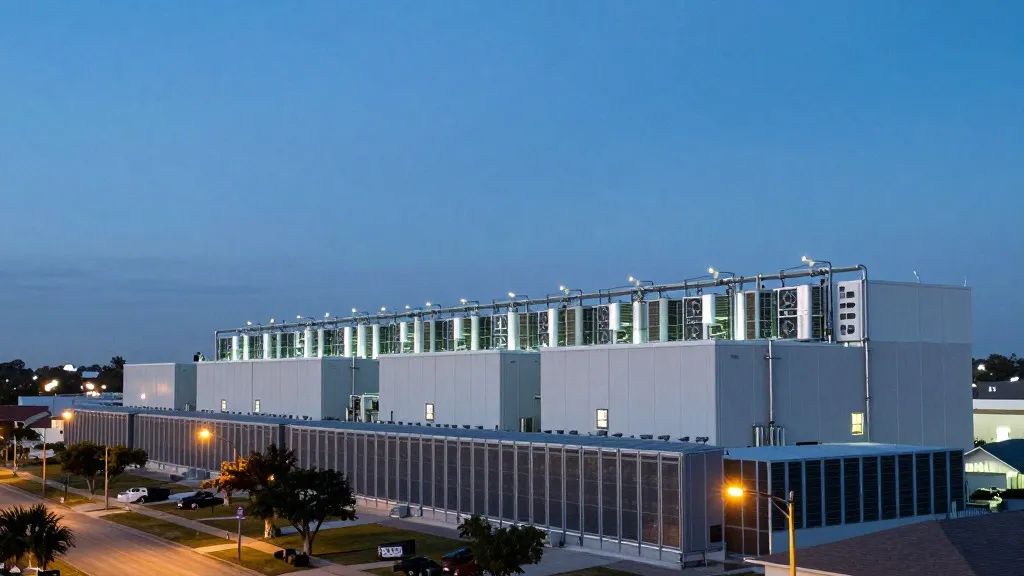
For the first time in the region's recent infrastructure history, a major tech giant has withdrawn its plans to expand its digital footprint on a 122-acre site in Loudoun County. Amazon has officially scrapped the project to build four new data centers on the former George Washington University campus, located just outside Washington, D.C. In a significant pivot from its initial July proposal, the company will instead repurpose the vast majority of the land for mixed-use and residential development. This decision marks a notable retreat from the company’s aggressive expansion strategy in an area already known as "Data Center Alley" due to its high concentration of facilities.
The change in plans comes after months of friction between the company and local stakeholders. Residents of the county have voiced growing concerns regarding the noise pollution and the immense energy demands of modern data centers. Following a meeting in September between Amazon officials and Phyllis J. Randall, the chair of the Loudoun County Board of Supervisors, the company accepted the suggestion that an alternative use for the land might be more beneficial. Randall stated that by choosing dialogue over reflexive disagreement, the two parties created an opportunity for the county to provide more attainable homes for working families, as well as new spaces for residents to gather and play.
As part of the settlement, Amazon will donate 25 acres of the property to Loudoun County. This land is designated for the construction of a community arts center and a new recreational facility. Additionally, the company has committed to contributing $5 million to the county’s housing fund. Josh Weissman, Amazon’s vice president for data center development, noted that while the company initially saw high development potential in the site, it acknowledged the county’s pointed concerns. Weissman explained that the company concluded a shared vision for the campus was a better outcome than engaging in costly litigation, despite differing views on the property’s legal development potential.
The decision highlights the increasing tension between the rapid growth of cloud and AI infrastructure and local community needs. The recent surge in artificial intelligence applications has driven demand for larger, more power-hungry facilities, leading to opposition from communities wary of rising electricity prices and environmental impacts. Just days before this announcement, President Donald Trump called on data center builders to pay dividends to local communities and to sell or give back excess energy, further signaling a shift in the political landscape surrounding these projects.
While the agreement appears to be a win for local housing and community amenities, questions remain about the broader implications for data center development in the region. Critics argue that the decision may be driven by practical limitations, such as the capacity of the local power grid, rather than a purely cooperative spirit. However, for now, the 122-acre site will transition from a hub of digital processing to a neighborhood of homes and public spaces, setting a potential precedent for future land-use disputes in the area.
Source: Tom's Hardware