Apple Surges iPhone Duo Production After Record-Breaking Pre-Order Surge
Cupertino’s first folding smartphone has triggered a significant manufacturing expansion as the company scrambles to meet unprecedented consumer interest.
By Jennifer Paige ·
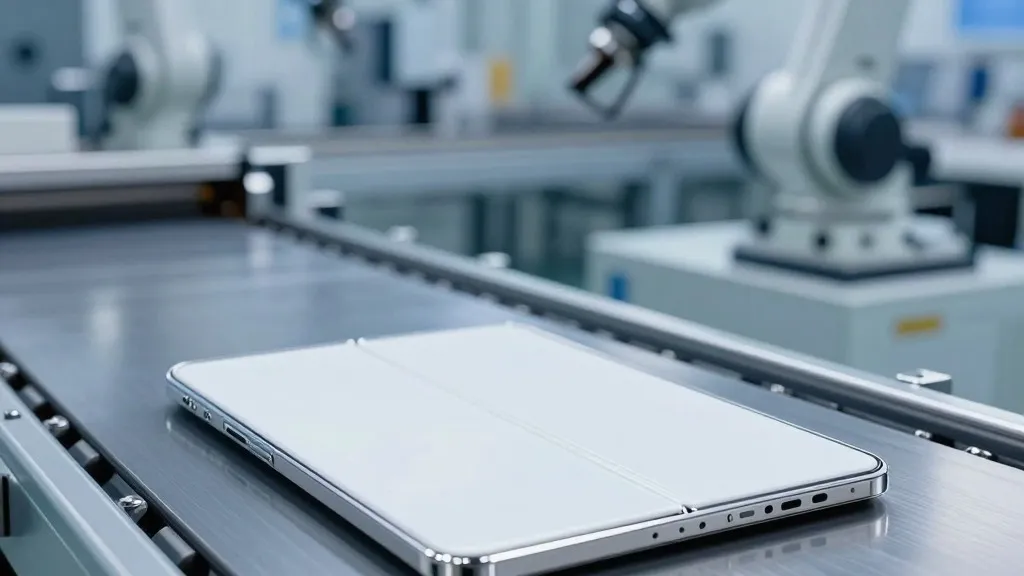
Apple has significantly ramped up production of the iPhone Duo, its inaugural folding smartphone, by more than 40 percent to manage the overwhelming volume of initial orders. This substantial increase in shipment targets follows a period of intense activity in the supply chain, where the company moved quickly to adjust its manufacturing plans in response to market feedback. The move underscores the high stakes involved in this new product category, as Apple attempts to secure its position in the rapidly evolving landscape of flexible display technology.
The surge in orders began immediately after pre-orders opened on Friday. Customers quickly noted that delivery windows extended into late January, a delay that initially created confusion regarding the cause. While it was not immediately clear whether the slip in dates indicated robust consumer interest or potential supply chain bottlenecks, the latest information points decisively toward the former. Apple attributed the extended timelines to what it termed "extraordinary" demand, a descriptor the company frequently employs during major device launches.
To manage the influx of buyers and mitigate the risk of scalping, Apple implemented a limit of two units per customer during the pre-order phase. This strategic decision helped stabilize the initial wave of orders while the company assessed the true scale of the demand. The immediate adjustment of delivery estimates for early customers further suggests that the initial delays were largely a logistical response to a volume of orders that exceeded initial projections, rather than a lack of available inventory.
Supply chain sources, cited in recent reports, indicate that Apple expects this strong demand to persist over the coming year. Consequently, the company has raised its shipment targets from an initial estimate of 9.7 million units to a revised figure of 14 million units for the first twelve months. This upward revision reflects a confident outlook from Cupertino, suggesting that the iPhone Duo is performing well beyond conservative forecasts and is likely to become a significant contributor to the company's hardware sales in the near term.
Despite the hardware success, early adopters face software challenges, particularly regarding third-party application compatibility. Many apps have not yet been optimized for the unique form factor of the folding device, leading to some usability friction. However, Apple maintains that the situation is improving rapidly as developers prioritize updates for the new platform. Early reviews based on a week of usage have consistently highlighted app support as a key area of focus, noting that while improvements are evident, the ecosystem is still maturing.
Another point of discussion among reviewers and users has been the device's reliance on Touch ID rather than Face ID. This choice, likely driven by the physical constraints of the folding mechanism, has been noted as a potential step backward in biometric security and convenience. However, recent reports suggest that Apple is already looking ahead, with prototypes of the iPhone Duo 2 currently being tested with Face ID technology. This indicates that the company views the current iteration as a transitional step and is actively working to integrate more advanced facial recognition features into future models.
The rapid escalation of production and the immediate software improvements signal a company that is taking the folding format seriously. By increasing its manufacturing capacity and pushing developers to optimize their applications, Apple is working to ensure that the user experience matches the excitement generated by the hardware. As the first batch of devices reaches consumers, the focus will shift from pre-order numbers to long-term reliability and software refinement, setting the stage for a competitive response from other major smartphone manufacturers.
Source: 9to5Mac