Federal judge invalidates new US visa limits for students and press
A US district court ruling voids a Trump administration policy that would have capped the duration of stays for international students and foreign journalists.
By Marco Harris ·
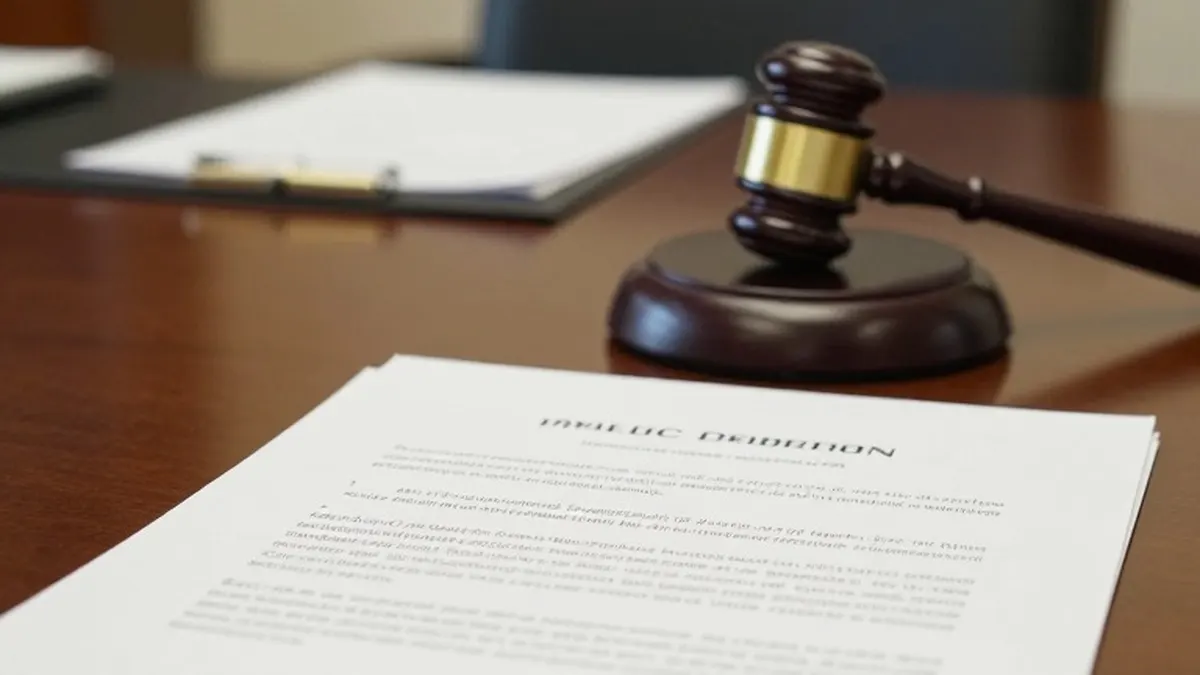
A US federal judge issued a decision on Monday to strike down a policy from the Trump administration that sought to significantly reduce the maximum time foreign students and journalists could remain in the United States. The court determined that the proposed regulations were unlawful and would negatively impact the opportunities available for international education within the country.
District Judge Dennis Saylor ruled that the new visa restrictions were arbitrary, capricious, and an abuse of discretion. He found that the measures were not in accordance with the law, effectively dismissing the case brought against the Department of Homeland Security. This legal challenge was filed by a coalition of unions representing universities, teachers, and journalists who contested the government's new approach to immigration.
The regulations in question were originally scheduled to take effect in September. However, Judge Saylor had temporarily paused their implementation, a move that the administration has already appealed to a higher court. The judge's final order focused primarily on how the policy would affect the academic experience of international students enrolled in US institutions.
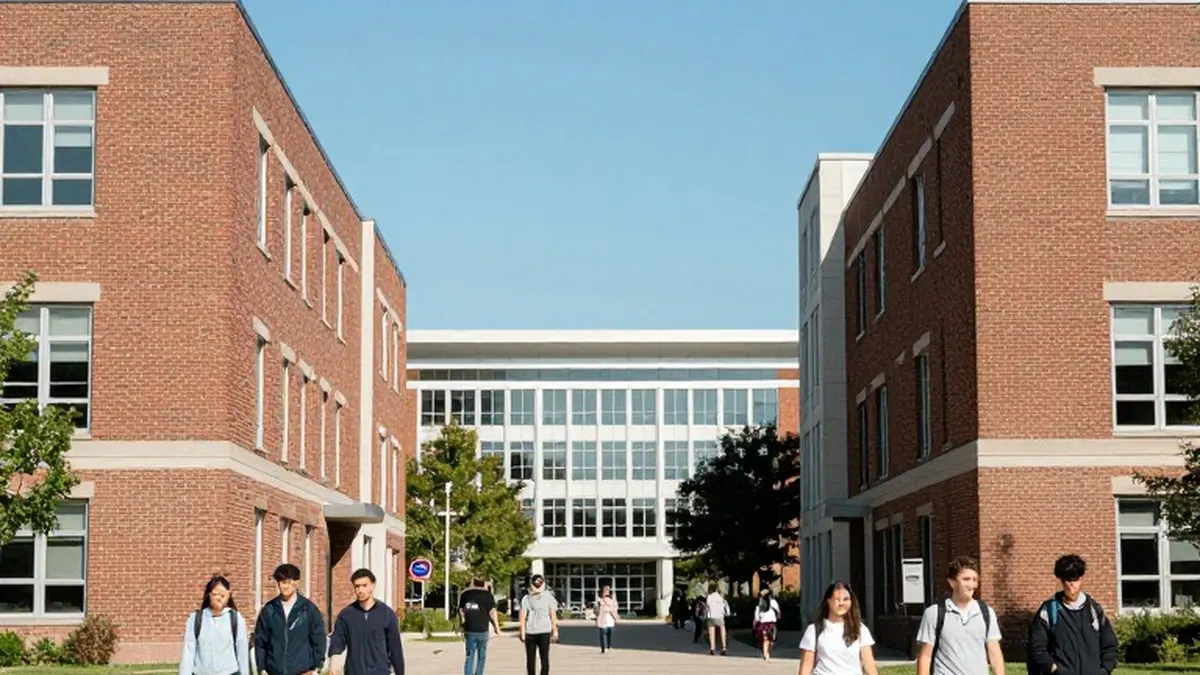
In his written order, Saylor stated that the Department of Homeland Security was trying to discourage the very activity that Congress intended to encourage, which is providing educational opportunities for foreign students. He argued that the policy would prevent students from engaging in extended periods of study, such as those necessary for PhD programs. It would also prohibit them from obtaining joint degrees or changing their academic concentration.
Under the proposed rules, foreigners holding student visas would have been admitted for a maximum of four years. After that period, they would have been required to apply for an extension. This marked a significant change from previous guidelines, which allowed international students to remain in the country for the full duration of their studies without a fixed cap.
The new restrictions would have also affected foreign journalists. Under the policy, they would have been limited to stays of just 240 days, which is approximately eight months. While they could have applied for extensions of similar duration, this was a sharp reduction from the previous allowance, which permitted stays of up to five years.
Specific provisions were also outlined for Chinese journalists, who would have been granted only 90 days initially. They would have been eligible for extensions of 90 days each. These specific limits highlight the targeted nature of the new visa framework that the court has now invalidated.
These visa restrictions were part of a broader immigration crackdown led by President Donald Trump. The administration's efforts include aggressive deportation operations and the introduction of new restrictions on legal pathways to citizenship. The court's decision interrupts this specific aspect of the policy rollout.
The United States remains a leading destination for higher education abroad. According to official data, the country welcomed more than 1.1 million international students during the 2023-24 academic year, a figure that surpassed any other nation. The legal victory for the student coalition helps preserve this status quo for the time being.