UN nations gather in Geneva to debate binding rules for autonomous weapons
Twelve-eight countries meet at the UN to determine if negotiations should begin on regulating autonomous weapons systems, a topic marked by growing urgency and significant diplomatic division.
By Luis Hoffmann ·
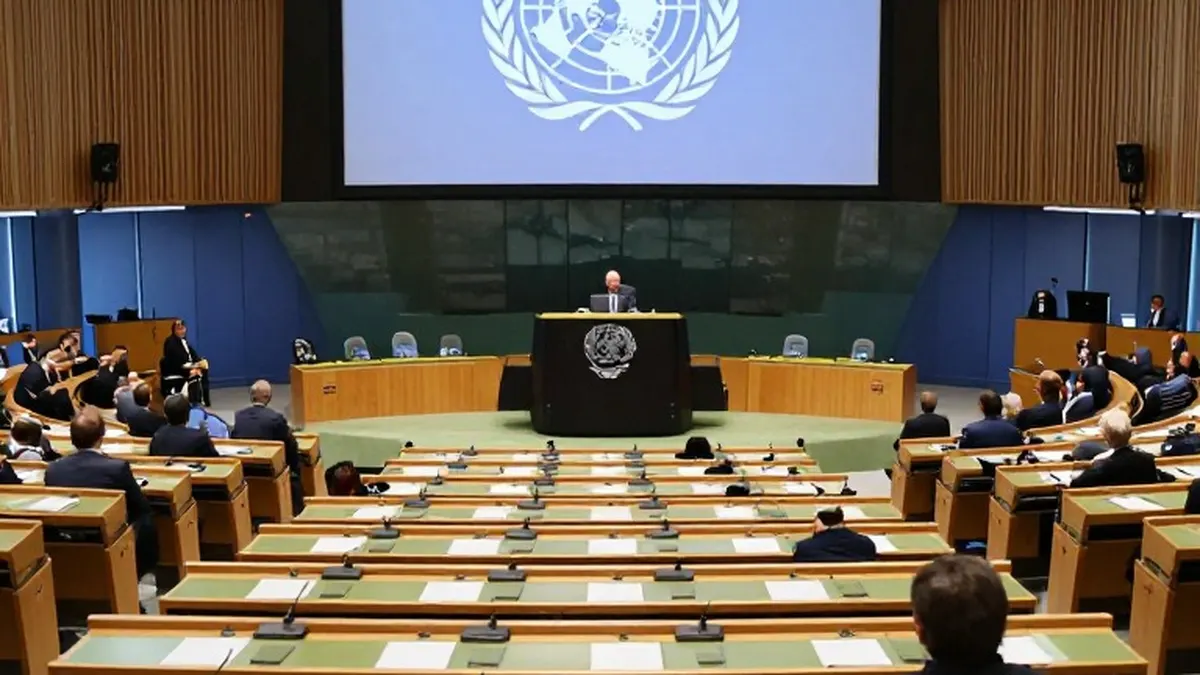
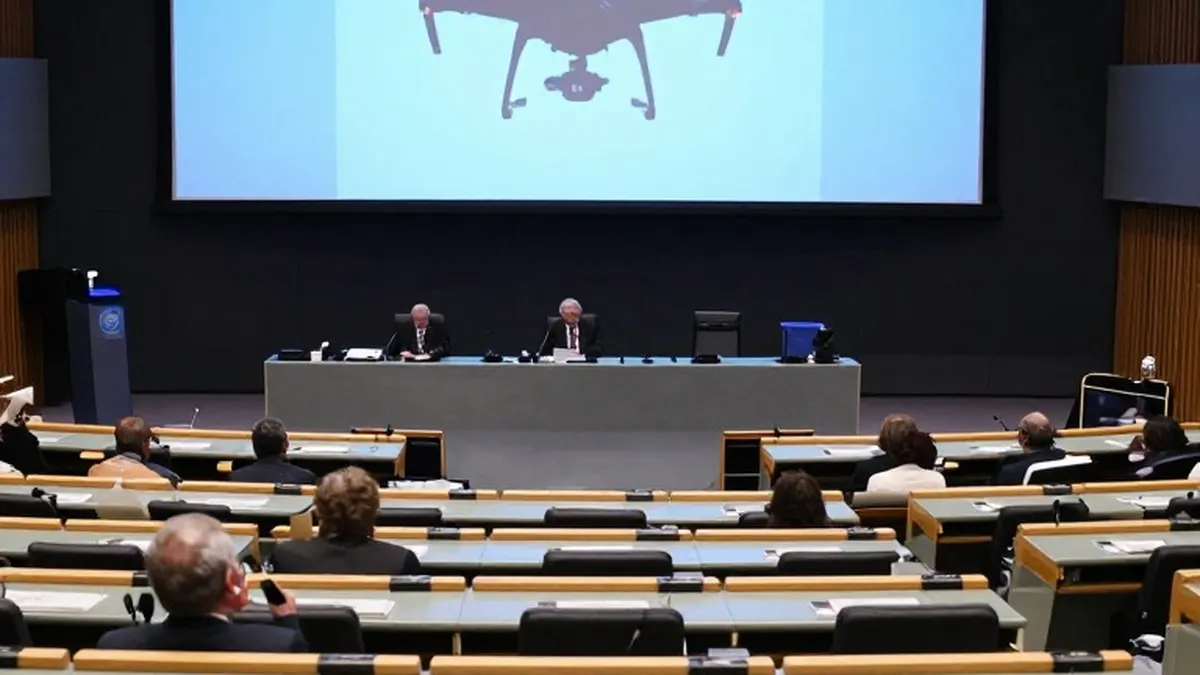
A gathering of 128 nations convened in Geneva, Switzerland, on Monday to discuss the initiation of talks regarding legally binding regulations for autonomous weapons systems. These systems, frequently referred to by critics as killer robots, are at the center of the debate due to their increasing presence on modern battlefields. The meeting is part of the UN’s Review Conference of the Convention on Conventional Weapons and aims to address the rapid evolution of military technology.
Warfare is experiencing a significant transformation as global armies seek to leverage the surge in artificial intelligence to enhance combat capabilities. The primary goal for many militaries is to identify and strike targets with greater speed and precision. However, this technological shift has prompted warnings from various quarters, including campaign groups, UN Secretary-General Antonio Guterres, and Pope Leo XIV, who have cautioned against delegating the power of life and death to fully autonomous machines.
Laurent Gisel, who heads the Weapons and Conduct of Hostilities Unit at the International Committee of the Red Cross, stated that the necessity to regulate these weapons has acquired new urgency amidst recent developments in artificial intelligence. Real-world examples of this trend include reports that Russia has utilized fully autonomous drones with deadly results in the war in Ukraine. Meanwhile, Ukraine’s defense industry is actively working to develop autonomous drone swarms, further highlighting the practical application of these technologies.
Human Rights Watch expressed concern that if the Geneva conference fails to take decisive action, civilians will remain dangerously exposed to the risks of autonomous warfare. The central objective for the delegates is to decide whether to open formal negotiations on rules that would carry legal weight. While a large number of states support tighter regulations, nations that have already invested heavily in this advanced military technology are often hesitant to accept constraints that might limit their operational flexibility.
Diplomatic divisions were evident at last month’s UN General Assembly, where 163 states adopted a resolution calling for negotiations on governing rules. Five countries voted against the measure: the United States, Russia, Belarus, Israel, and North Korea. North Korea recently highlighted a new AI-enabled torpedo system, underscoring the military interest in these capabilities. Nine other nations, including China, Iran, and Saudi Arabia, chose to abstain from the vote.
Laure de Roucy-Rochegonde of the French Institute of International Relations noted that China has maintained a carefully cultivated ambiguity regarding its stance. Negotiations are also stalling over timelines, with Washington proposing a five-year process to create a non-binding instrument. In contrast, NGOs and the ICRC are advocating for a much shorter one-year timeline to reach an agreement. This discrepancy in preferred schedules adds another layer of complexity to the discussions.
The push for regulation gained momentum in 2023 when Guterres and ICRC President Mirjana Spoljaric Egger called on states to ban autonomous weapons before 2026. The ICRC is currently pushing for a ban on two specific categories of these systems: those deemed unpredictable and those designed or used to directly target human beings. These specific criteria aim to address the most controversial aspects of autonomous warfare.
Despite the strong advocacy from humanitarian organizations and the UN chief, observers suggest that reaching an agreement this week to start talks on binding rules is unlikely. The opposition from leading international powers presents a significant hurdle. As the conference continues, delegates will weigh the need for ethical safeguards against the strategic advantages of maintaining technological flexibility in modern combat.