Trump cites funding needs for air traffic control upgrades after recent ground stop
The US President argues that new money is required for equipment upgrades following a system failure that halted thousands of flights, a claim challenged by experts who note the political majority holds.
By Marco Harris ·
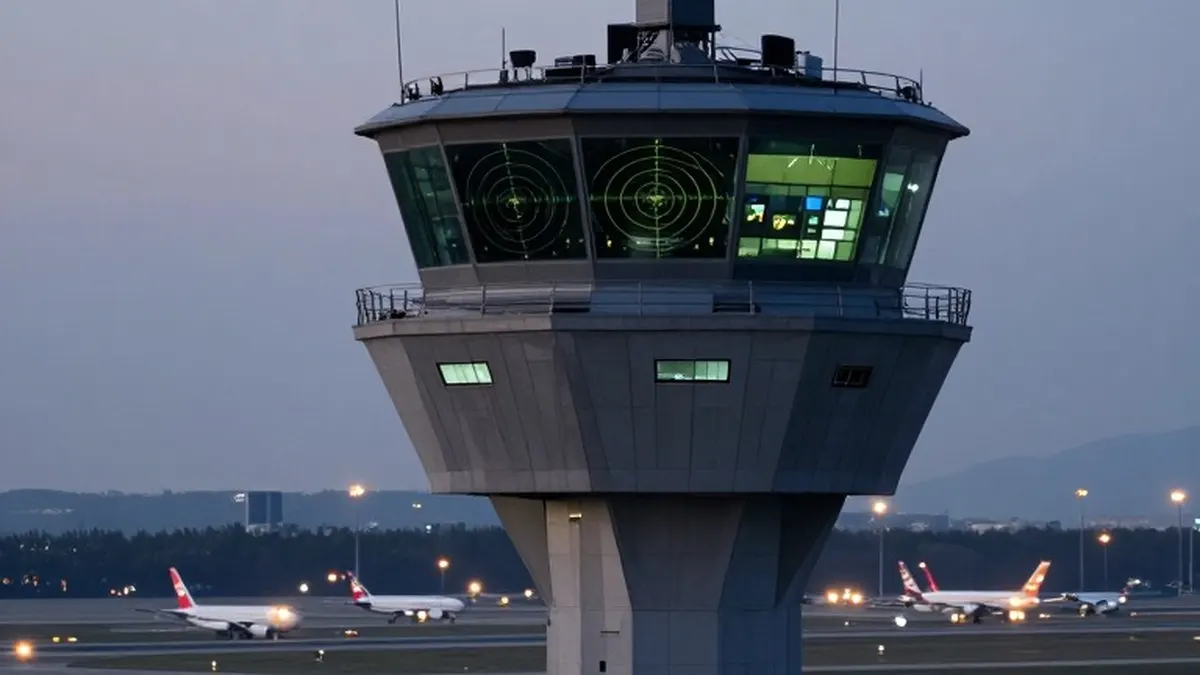
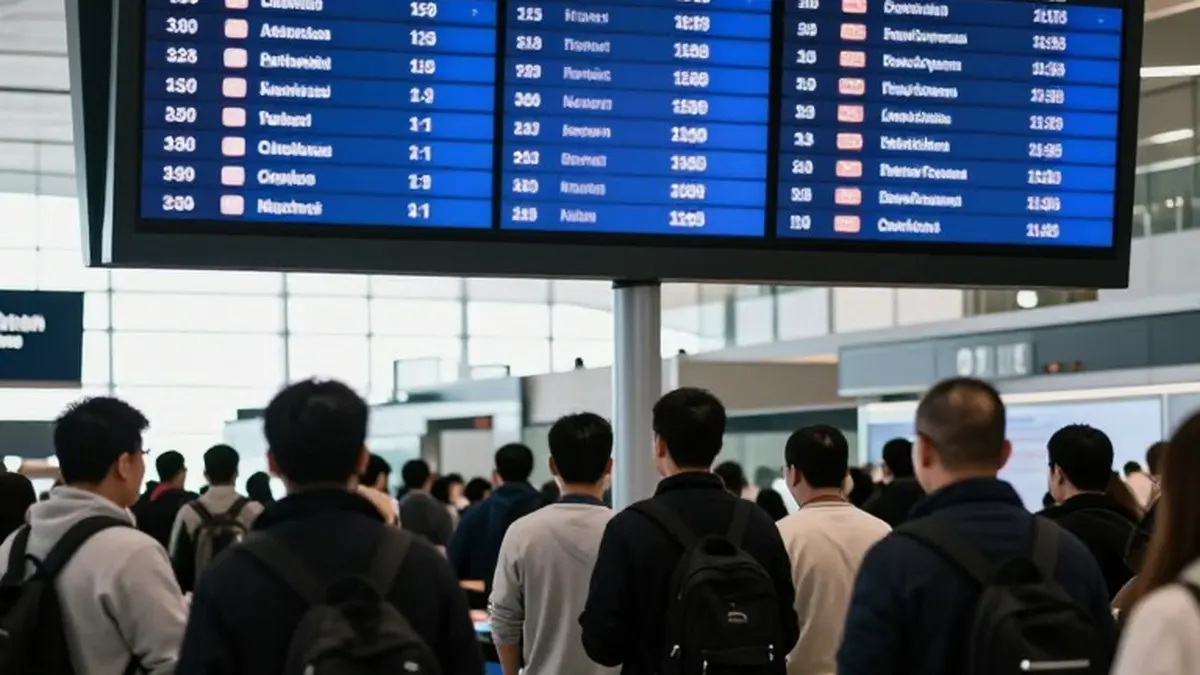
US President Donald Trump addressed reporters on Monday regarding a significant technology failure that resulted in thousands of flights being grounded last week. During the press interaction, the President stated that the federal government requires additional funding to upgrade air traffic control equipment. This statement comes in the wake of the operational disruption that affected air travel across the country earlier in the week.
The incident has sparked a broader discussion about the state of US aviation infrastructure. While the President pointed to budgetary constraints as a primary factor, the timing of the remarks has led to scrutiny of legislative priorities. The administration is now pushing for new financial resources to modernize the systems responsible for managing air traffic.
Sheldon Jacobson, a Professor of Computer Science at the University of Illinois, offered a different perspective on the situation when speaking with FRANCE 24 reporter Monte Francis. Jacobson questioned the emphasis on funding by highlighting the current political landscape in Washington. He noted that the Republican party has held full control over both the House and the Senate since the current President took office.
According to Jacobson, the political majority has had significant influence over the legislative process. He observed that the party in power controlled the flow of bills and had the ability to pass legislation with the necessary appropriations. Jacobson argued that if the administration truly needed the money and desired its approval, the legislative process would have likely facilitated its passage given their dominant position.
The professor suggested that the lack of immediate funding in previously passed bills might indicate underlying issues beyond simple financial constraints. He stated, "The fact that they didn't, in the different bills that have been passed, suggests that it is more than just money that is going on here." This comment implies that political dynamics or other strategic considerations may be influencing the decision-making process regarding infrastructure upgrades.
The ground stop last week served as a stark reminder of the vulnerabilities in the current air traffic control system. The failure forced airlines to cancel or delay a large number of flights, causing widespread inconvenience for travelers. The event has intensified calls for a comprehensive review of the technology and staffing levels within the aviation sector.
As the debate continues, the administration faces the challenge of securing the necessary budget while also addressing technical concerns. Critics and supporters alike are watching closely to see how the government balances immediate operational needs with long-term infrastructure plans. The outcome of this funding discussion could set a precedent for future investments in critical national systems.
The interaction between the executive branch and the legislature will be pivotal in determining the pace of these upgrades. With both chambers of Congress currently aligned with the President's party, the path to securing new funds appears politically feasible, yet the specific details of the upgrades remain a point of discussion among experts and policymakers.
Travelers and industry stakeholders are eager to see concrete steps taken to prevent similar disruptions in the future. The focus is shifting from the immediate aftermath of the ground stop to the broader strategy for maintaining a robust and modern air traffic control network. The coming weeks are expected to bring further clarifications on the scope of the required upgrades and the timeline for implementation.
In the meantime, the administration is working to reassure the public and the aviation industry that the necessary measures are being taken. The dialogue between technical experts, political leaders, and the general public continues as the US seeks to resolve the issues that led to the recent operational halt.