Thune Retains Senate Gavel as GOP Prepares for Minority Status
South Dakota senator re-elected in closed-door vote despite party losses and internal calls for a strategic pause.
By Luis Hoffmann ·
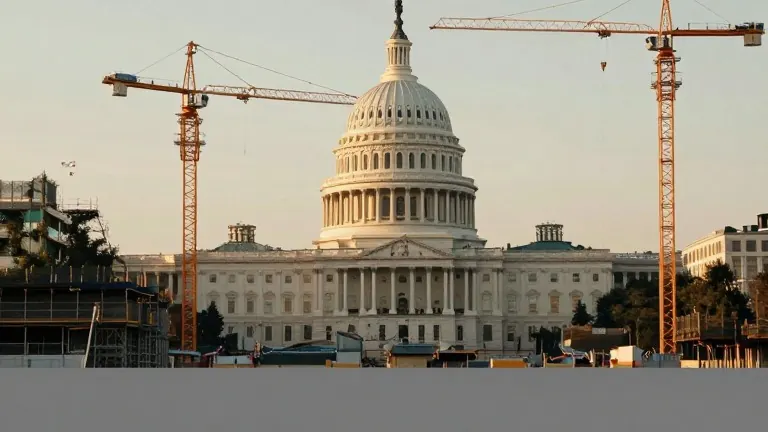
Republican Senator John Thune of South Dakota remains the leader of the Senate GOP after colleagues voted to retain his position on Tuesday. The decision was finalized during a closed-door session at the US Capitol, just days after the party suffered major setbacks in the midterm elections. Thune now heads the conference for the 120th Congress as the party prepares to cede control of the chamber.
The vote proceeded despite internal debates about delaying the selection to evaluate the election results. Thune ran without a direct opponent. This contrasts with his initial appointment two years ago, when he defeated two other Republican colleagues to replace Mitch McConnell. After the confirmation, Thune told reporters he valued the trust his peers placed in him.
Several senators had argued for a pause to analyze the factors behind the midterm defeat. Senator Josh Hawley of Missouri suggested that a challenger might have emerged if the party had waited longer. He questioned whether quickly ratifying the same leadership sent a clear message to the party base. Senator Ron Johnson of Wisconsin circulated a letter requesting a delay. Johnson described the role as unappealing but acknowledged that no alternative candidate stepped forward.
The re-election occurs against the backdrop of substantial losses. Under Thune’s previous tenure, the party lost at least seven Senate seats in the recent elections. Races in Alaska and Mississippi remain undecided. Senator Jim Lankford of Oklahoma cited broad support for Thune among his peers. Lankford noted that Thune has adopted a different approach from his predecessor by seeking diverse viewpoints before making major decisions.
Critics within the conservative base have linked the party’s losses to Thune’s push for the SAVE America Act. The bill would have required proof of US citizenship for voters and mandated identification at the polls. Thune argued that voter backlash was driven by a combination of factors rather than a single piece of legislation. He identified the cost of living for American people as the most important issue influencing the election results.
Thune had previously highlighted affordability concerns, including rising global energy prices, before the midterms. In a September interview on Fox News, he stated that President Trump’s war in Iran had overshadowed other issues for voters. He also emphasized Israel’s right to self-defense, criticizing policies that pressured the Israeli military’s operations. He argued that both the president and the Democratic leader were entitled to their opinions but not to dictate a sovereign nation’s strategy.
The new leadership phase begins with a White House eager to pursue controversial policies. Thune will work to prevent further losses in the 2028 election while collaborating with a Democratic-controlled Congress. He expressed confidence in his team’s united commitment to advancing conservative priorities. Thune stated his dedication to working with President Trump and House colleagues to maintain the party’s conservative direction.
The leadership transition marks a new phase for the Republican minority in the Senate. The conference will now plan its strategy for the next two years. Thune will coordinate with the White House to advance the party's legislative agenda. The party faces the task of holding the line against the Democratic agenda while managing internal expectations.
More Politics · World news · Report a business · Got a Story?