San Francisco's 311 App Is Canceling Drug-Use Complaints, Leaving Residents to Call Police
Hundreds of drug-use reports filed through the city's 311 app have been closed without action, even though officials say 311 is the right place to report them.
By Mei Ling ·
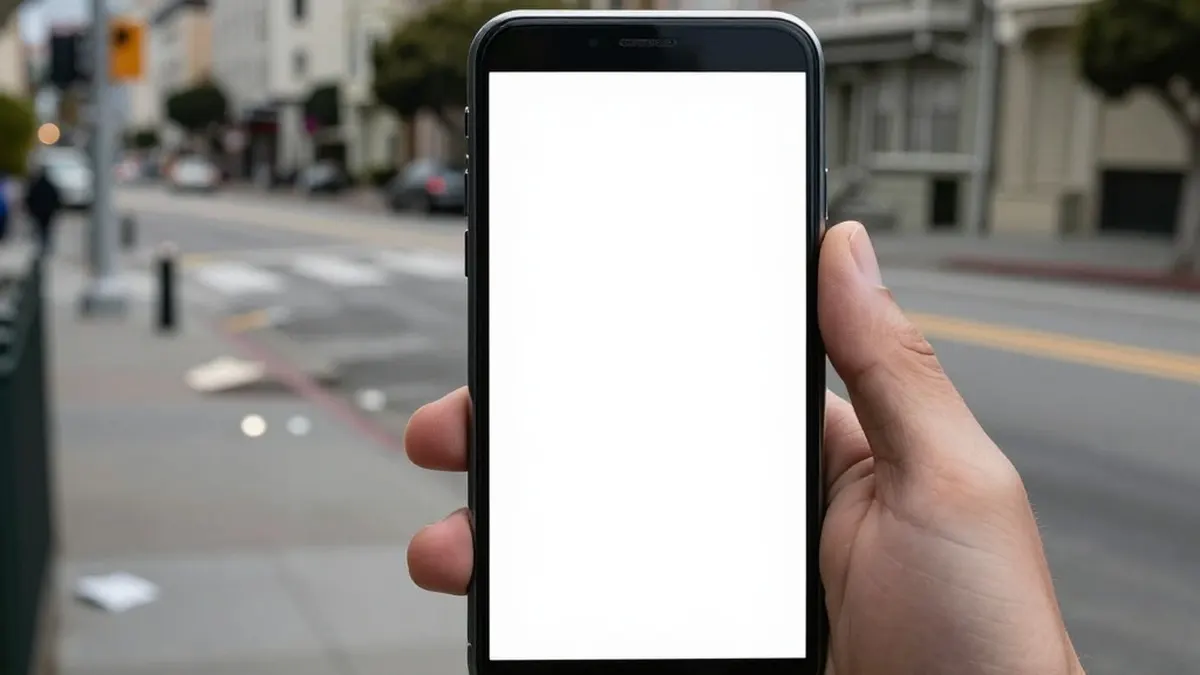
San Francisco's 311 service is meant to handle problems that do not require an emergency response, from graffiti to trash to public drug use. But for drug-related complaints, the system can leave residents with nowhere to go. Reports submitted through the 311 app are frequently canceled, and the people who filed them are told to contact police themselves.
A blog post from SolveSF, an AI-enabled 311 reporting app, found that 425 drug complaints filed with 311 since April 22 have been canceled. That is despite city officials urging residents to take such complaints to 311 rather than to the police.
The root of the problem is a mismatch between how people are told to use the service and how it operates. When a drug-use complaint comes in by phone, 311 dispatch can transfer the caller directly to the police nonemergency line. When the same complaint arrives through an app, the request is simply canceled, with a note in the case file saying to "call PD."
The city administrator's office, which runs 311, confirmed that app complaints are not acted on once canceled. The next step falls to the complainant, who must call the police nonemergency line. The Department of Emergency Management, which operates 911 dispatch and that nonemergency line, said drug-use complaints belong with 311 but should be made by phone so the call can be transferred.
That guidance runs against how most residents use the service. About 62% of 311 complaints over the past three years were submitted through the city's official mobile app or a third-party app, according to 311 data. Some 2.4 million complaints were filed over that period. The canceled drug reports are likely a small share of that total, though the public dataset has no "drugs" category and complainants' notes are redacted.
Supervisor Bilal Mahmood said constituents often complain that their reports are closed without explanation, which erodes trust in 311 and discourages people from reporting. "There needs to be a better user experience," he said, adding that he is working with the mayor's office to keep these complaints from falling through the cracks. "Part of the challenge is there's no clear protocol," Mahmood said.
The mayor's office said it is aware of the "friction" and is talking with the Department of Public Health, the Department of Emergency Management, the Department of Public Works and the city administrator's office about a fix. It would not say what changes are being considered or when they might take effect. Spokesperson Shelby Weiss said public safety is the office's top priority and that residents need "clear, effective, and easy-to-use ways to get in touch with the city."
Patrick McCabe, who created SolveSF, sees two problems with canceling the requests. Users have told him they will not take the extra step of calling police. One reply to a Mahmood post on X described being passed between departments, concluding: "This is why ppl give up. The city does not care." McCabe also noted that nonemergency calls are logged as Priority C, the lowest tier, and capture far less detail than a 311 complaint.
Reports to 311 serve purposes beyond resolving individual complaints, such as identifying hot spots for drug use and littering. A 311 reporting project by a Bayview resident led to a pilot program using drones to help locate dumping hot spots in San Francisco and Oakland. McCabe warned that unaddressed drug reports could contribute to emergencies, including overdoses. "The bigger option is people stop reporting [to 311], and that's not helpful for resolving these issues," he said.
Source: The San Francisco Standard