Nuclear regulators from 38 nations warn of rising accident risk in Ukraine
International safety authorities urge Russia to halt attacks on energy infrastructure as winter approaches and cooling systems face strain.
By Ahmed Russo ·
Nuclear safety regulators from 38 countries have issued a joint warning that the likelihood of a nuclear accident in Ukraine is rising as the winter season approaches. The coalition of authorities is pressing the Russian government to cease its military strikes on the country's energy infrastructure to prevent further complications for the nuclear sector.
According to reports from Reuters, Moscow has significantly increased the frequency of drone and missile attacks targeting Ukrainian power plants, transmission lines, and substations. These sustained assaults are placing additional stress on an energy grid that was already operating under fragile conditions before the intensification of hostilities.
In a formal statement, the regulators expressed deep concern regarding the growing threats to nuclear safety resulting from the ongoing war. They highlighted that continued bombardment of critical energy assets is creating dangerous conditions for the safe operation of nuclear facilities. The group emphasized the urgent necessity for Russia to stop targeting both the nuclear sites themselves and the surrounding power networks that support them.
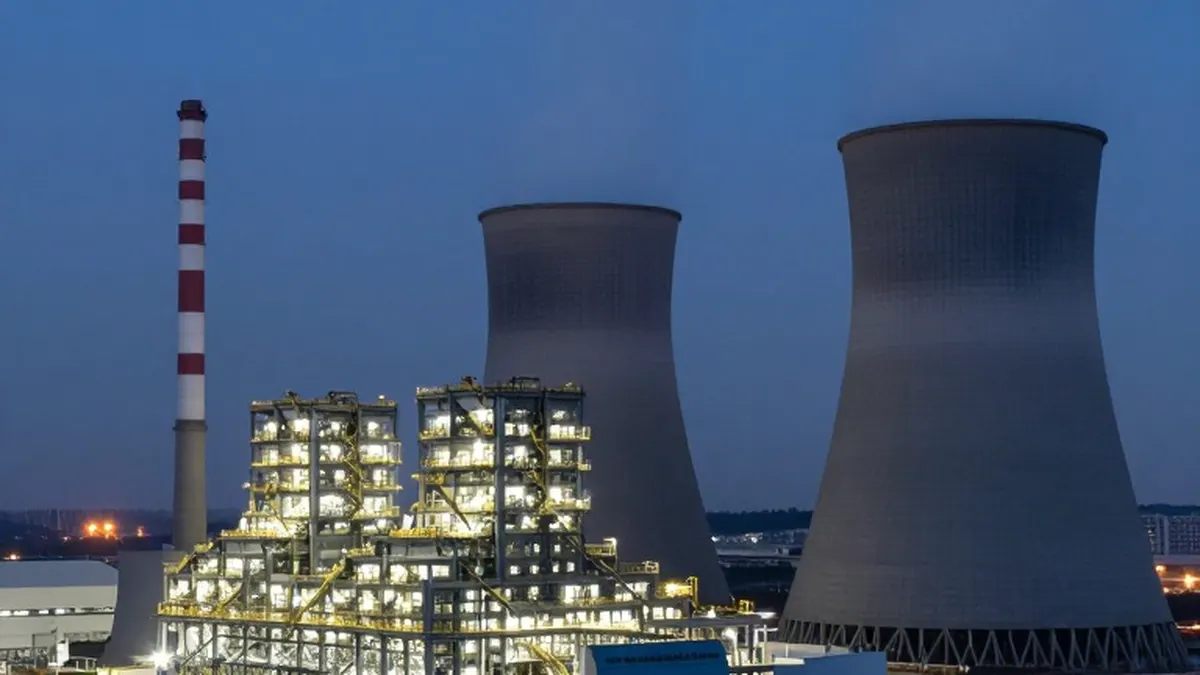
A primary concern cited by the experts is the reliability of grid power. They warned that an unstable electricity supply is making it increasingly difficult for Ukraine's nuclear power plants to maintain the required cooling for nuclear fuel. If this cooling process fails, there is a risk that radioactive material could be released into the atmosphere, a scenario similar to the 1986 Chornobyl disaster, which remains the worst civilian nuclear accident in history.
The warning was endorsed by regulatory bodies representing a wide range of nations. This includes all member states of the European Union, as well as the United States, the United Kingdom, Canada, and Japan. The broad international support underscores the global significance of the stability of Ukraine's nuclear infrastructure.
Per Strand, who heads the Heads of the European Radiological Protection Competent Authorities and the Heads of the Nordic Radiation Safety Authorities, provided further context in an interview. He noted that Russian attacks have become more lethal in recent weeks. This increased danger is partly attributed to the deployment of more accurate drones that carry larger payloads, making them more effective at damaging critical infrastructure.
Strand described a worst-case scenario in which a nationwide blackout affects all nine of Ukraine's currently operating nuclear reactors simultaneously. He argued that such a catastrophic event could still be avoided if immediate action is taken to compel Russia to halt its aggression against the energy sector.
Recent events have highlighted the specific vulnerabilities of the system. On November 3, during a massive attack, Russian forces directed three drones at a substation that is critical for the stable operation of the Khmelnytskyi Nuclear Power Plant. This incident serves as a stark example of the direct threats facing the infrastructure necessary for nuclear safety.
In addition to the direct attacks, the International Atomic Energy Agency has taken steps to monitor the situation more closely. The agency decided to deploy its missions to 19 electrical substations within Ukraine to better assess the impact of the conflict on the grid and the nuclear sites it supports.
As the winter months set in, the international community remains focused on the resilience of Ukraine's energy system. The coordinated message from the 38 regulatory nations serves as a reminder that the safety of nuclear facilities is not just a domestic issue for Ukraine, but a matter of global safety and environmental protection.