US Airlines Face Hundreds of Millions in Losses After Nationwide Ground Stop
The four largest US carriers could take a combined $345m hit to pretax earnings after last week's nationwide ground stop, as executives and officials press Congress to fund air traffic control upgrades.
By Ahmed Russo ·
US airlines are bracing for financial losses running into the hundreds of millions of dollars following last week's nationwide ground stop, even as industry leaders renew their push for greater investment in the country's ageing air traffic control infrastructure.
The four largest carriers, American Airlines, Delta Air Lines, United Airlines and Southwest Airlines, could see a combined blow of $345m to pretax earnings, according to an estimate from brokerage firm Bernstein.
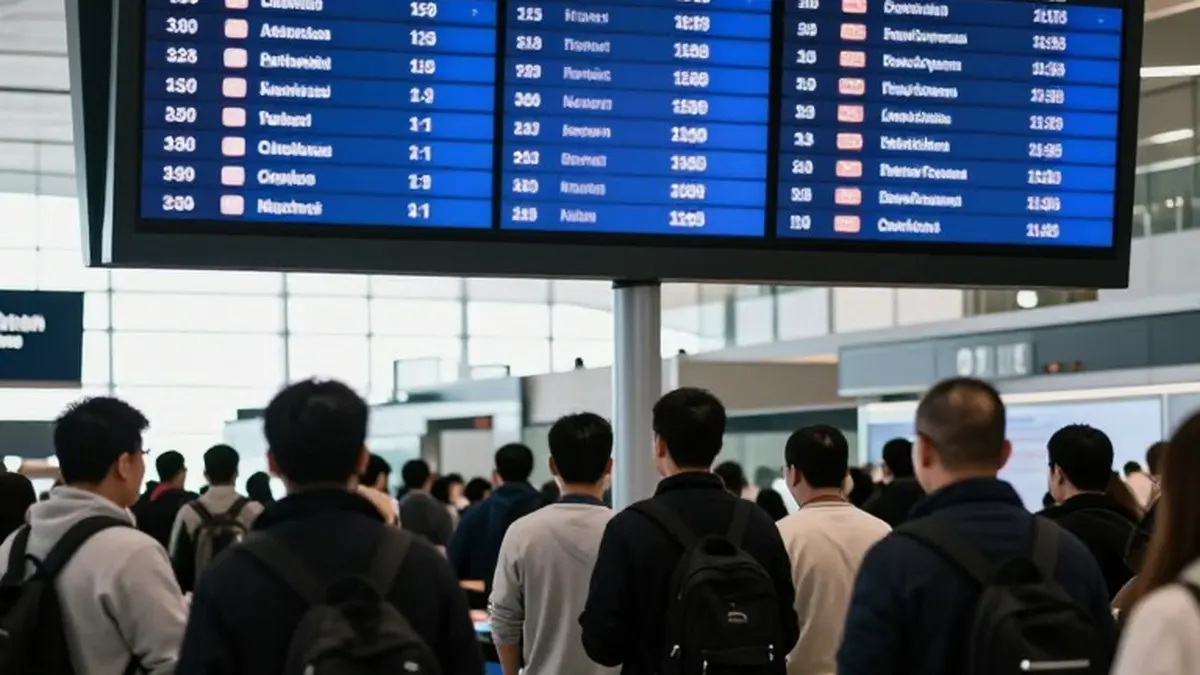
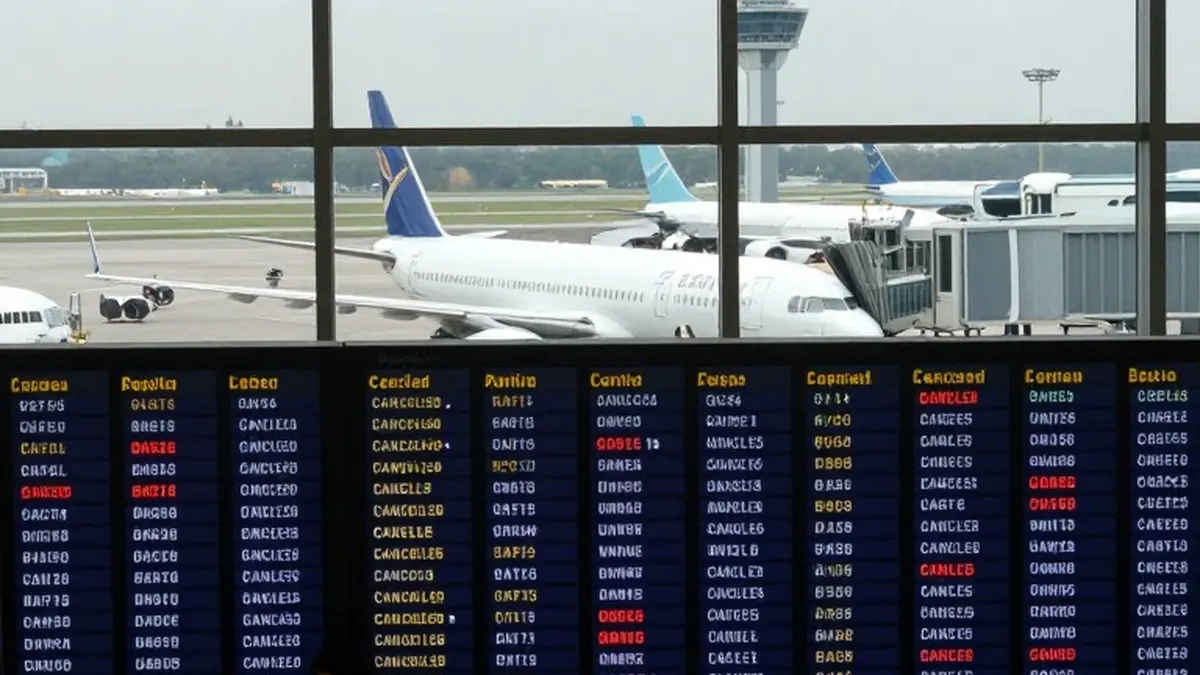
The fallout from Friday's ground stop continued to be felt on Monday, with more than 18,500 flights within, into or out of the United States cancelled since the disruption began, according to FlightAware data. Flights across the country were halted for more than four hours on Friday, and the disruption kept rippling through airline schedules over the weekend.
Transportation Secretary Sean Duffy told CNBC on Monday that the wider impact of the disruption could run into the "billions of dollars", though no official estimate of the total economic cost has been released. Delta Air Lines CEO Ed Bastian also said the financial toll could reach the "billions", telling Fortune on Monday that the episode underscored the need for heavier investment in the country's air traffic control system. Pointing to the vast sums investors are pouring into artificial intelligence and data centres, he said, "We can't even get $50bn to fix our skies."
United Airlines CEO Scott Kirby agreed that the disruption should serve as a "call to action", saying the air traffic control system requires greater investment in modern technology to improve its reliability.
Duffy has asked Congress for $50bn for air traffic control and airport infrastructure upgrades, an addition to the $12.5bn that lawmakers approved for air traffic control modernisation last year. He has said the existing system relies on outdated equipment and needs a comprehensive overhaul. Democrats have questioned the request, noting that only about $1bn of the already approved funding has been spent so far and demanding more information on how the money would be used.
On Sunday, President Donald Trump called on Congress to approve the funding, arguing the upgrades should happen all at once rather than in stages. "We have already started the work, but it should be done all at once, not in drips and drabs. Congress must approve," he wrote on Truth Social. The funding debate faces a narrow window for congressional action, with the House and Senate scheduled to convene once more before the end of the year. Speaker Mike Johnson has said lawmakers will take up the administration's request during the current Congress's lame-duck session.
The precise cause of Friday's failure remains under investigation. Duffy has said the problem began at a remote Federal Aviation Administration site in Arkansas, where workers from defence contractor L3Harris were replacing ageing copper wiring with fibre-optic cables. In a September report, the Government Accountability Office, the congressional watchdog, found that the agency had not developed an integrated schedule for the first phase of its upgrades and warned that poor planning increased the risk of disrupting air traffic control operations.