Golan, Liberman Reject Unity Government With Netanyahu as Coalition Talks Continue
Party leaders in Gadi Eisenkot's bloc ruled out serving under Prime Minister Benjamin Netanyahu on Monday, with Avigdor Liberman instead floating a coalition deal with the ultra-Orthodox parties.
By Ahmed Russo ·
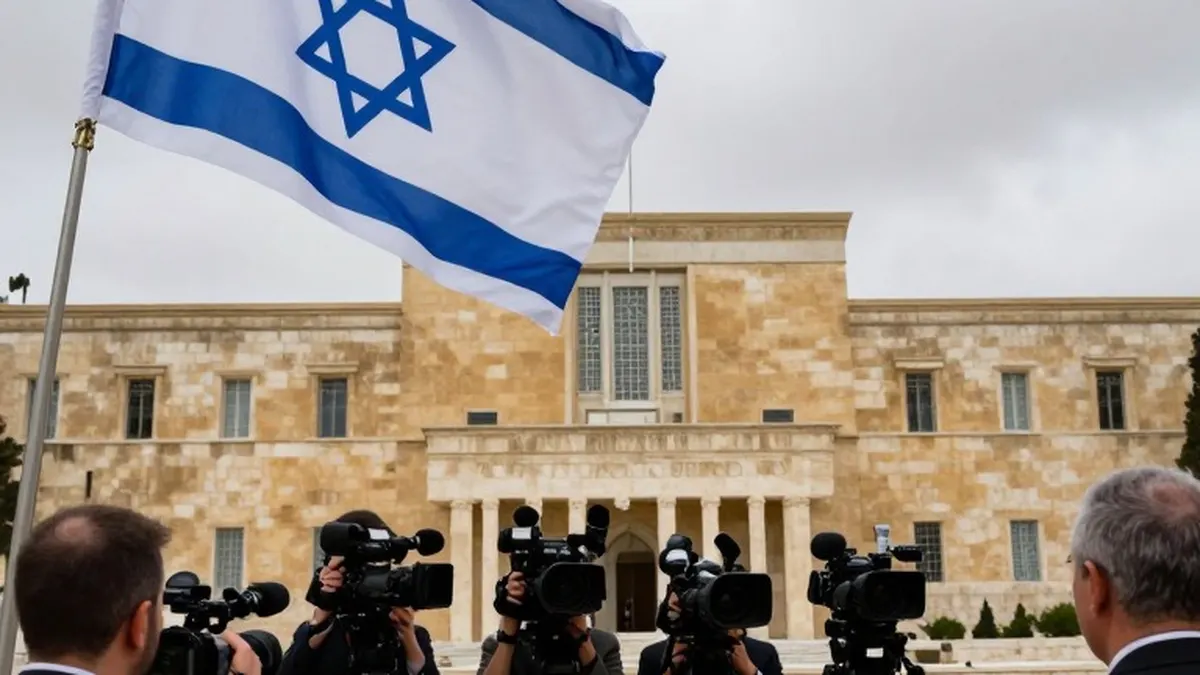
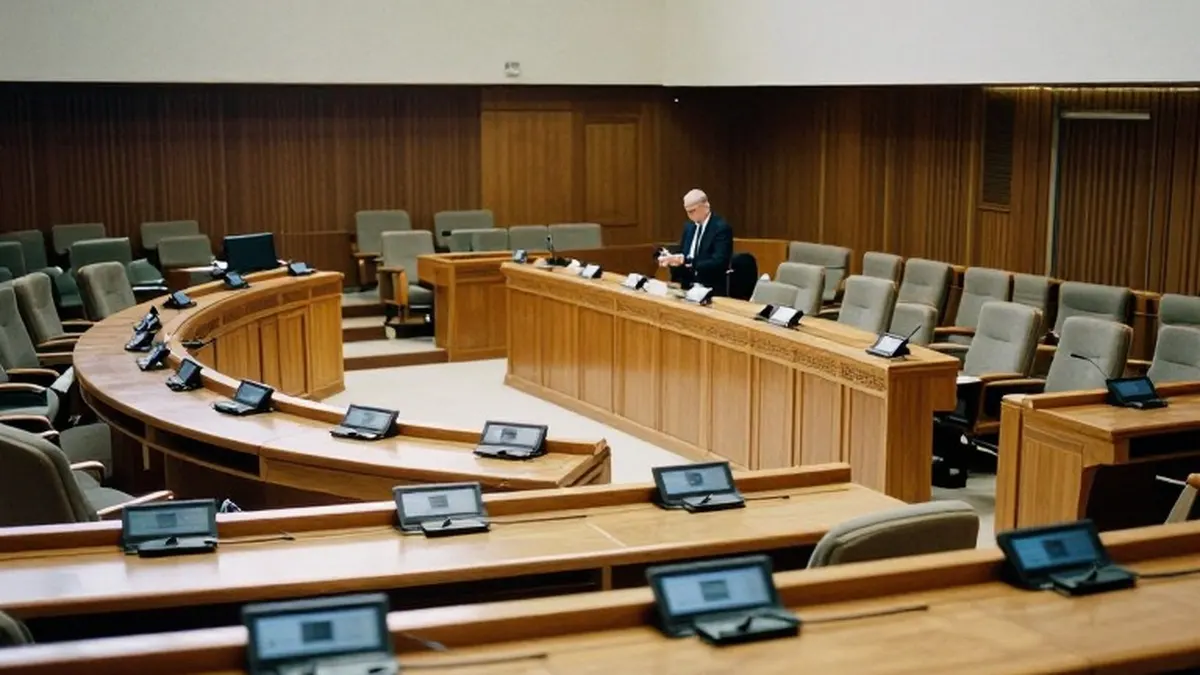
Leaders of parties in the bloc led by Yashar chairman MK Gadi Eisenkot on Monday ruled out joining a unity government with Prime Minister Benjamin Netanyahu, as negotiations over the next coalition continued following last month's elections.
Democrats Party leader MK Yair Golan warned that leaving Netanyahu in power would endanger Israel, and used a faction press conference at the Knesset to appeal directly to Eisenkot. He urged him not to repeat the experience of former alternate prime minister Benny Gantz, who entered two unity governments with Netanyahu under agreements that were never honored, including one that was supposed to make Gantz prime minister.
"Gadi, I call on you to remember the lessons of Benny Gantz. Netanyahu broke promises and trampled on agreements," Golan said. "Anyone who places power in his hands again is endangering Israel's future."
Netanyahu has repeatedly called for a unity government after his bloc lost its parliamentary majority to Eisenkot's bloc in the October 27 elections. Representatives of Yashar and Likud met on Sunday for preliminary talks on a possible unity arrangement, and a representative of Naftali Bennett's B'Yachad party also attended, although Bennett has yet to state his position publicly on any coalition makeup. Eisenkot, for his part, has drawn a red line against sitting in a government led by Netanyahu and has laid out four key principles that MKs must accept if they wish to join his coalition.
Golan sharpened his warning further, saying, "You cannot do business with Netanyahu. You cannot enter a coalition with him. He and his partners must be replaced, and Israel must be saved." He added: "Every day could prove decisive. Every additional minute he remains in power makes him more dangerous to Israel. Netanyahu is becoming increasingly detached from reality." Golan also said the prime minister's judgment is impaired and that he could drag Israel into a war without realistic objectives and with a heavy price.
Yisrael Beytenu chairman MK Avigdor Liberman likewise rejected a unity government at his own faction press conference, calling to "put an end to the Netanyahu era." "We want two clear things: to put an end to the Netanyahu era and to prevent new elections. We are operating between these two objectives," he said.
Unlike Golan, who has called for forming a government with the support of the Arab parties, Liberman ruled out that option, drawing a red line against it. He said the Eisenkot-led bloc would instead reach an agreement with the haredi (ultra-Orthodox) parties to form a government, and that a conscription law would still pass. He urged the parties to "find the right formula" acceptable to the haredi factions and IDF Chief of Staff Lt.-Gen. Eyal Zamir that would also pass review by the High Court of Justice. Liberman had taken a hardline stance against partnering with the haredi parties ahead of the elections, demanding legislation to draft all haredim into the IDF, but has recently softened his position. The haredi parties have been key partners in Netanyahu's coalition, leaving it unclear whether they would agree to join a government led by Eisenkot. Arab party support could nevertheless still allow the bloc to pass key legislation even while Netanyahu heads a caretaker government.
The leaders of the Arab factions, Ra'am chairman MK Mansour Abbas and Joint List chairman MK Yousef Jabareen, also warned against any government led by Netanyahu. Both addressed recent reports that the prime minister had secretly met with police informants before the election to orchestrate a voter fraud campaign.
Netanyahu's government is "dangerous to democratic rule," Abbas said, adding that his party had submitted a request to Attorney-General Gali Baharav-Miara for an investigation. "In addition to our demand for a state commission of inquiry into the events of October 7, we will likely also need to call for a state commission of inquiry into this event," he said. Jabareen said his party had also approached the attorney-general demanding that an investigation be opened against the prime minister, adding, "We are also demanding the establishment of a state commission of inquiry to investigate this incident."