CSU scientists target plant architecture to reduce farm input costs
Researchers aim to re-engineer shoot and root growth to lower water and nitrogen demands for Colorado growers.
By Marco Harris ·
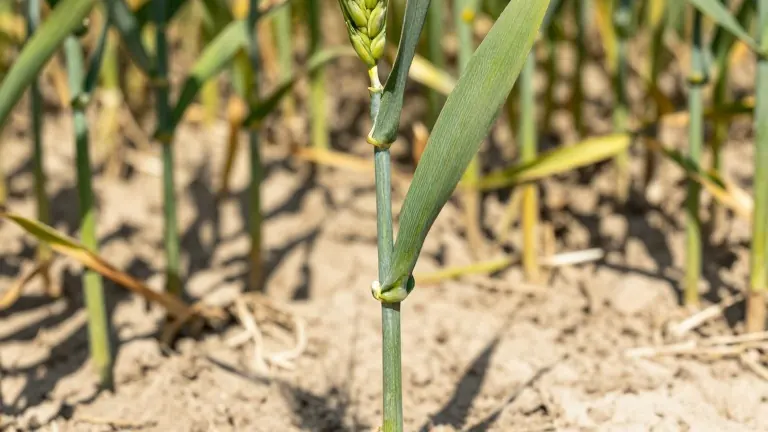
Colorado farmers face mounting pressure from two converging costs: scarce water and expensive fertilizer. Drought conditions have limited planting capacity in recent seasons, while rising input prices squeeze margins. In response, a team at Colorado State University is applying synthetic biology to redesign how crops use these resources.
Professor Arjun Khakhar leads the effort to re-engineer plant growth patterns. The goal is to alter the physical structure of crops so they require less water and nitrogen to produce yield. Khakhar stated, "Our research is to figure out ways to re-engineer how plants grow, like the shape in which they grow, to make them more resource use efficient."
The work focuses on the genetic controls for the shoot and the root system. The shoot captures sunlight to produce sugar, while the roots absorb water and nutrients from the soil. By modifying the size and shape of these parts, researchers aim to optimize surface area for resource capture. Khakhar explained that controlling shoot and root size directly governs how much light, water, and nitrogen a plant can access.
Dave Petrocco, a third-generation farmer, noted that drought has already forced operational changes on his family farm. His operation faced water shortages that prevented them from planting all available acres. Petrocco said, "Drought was made an impact. We were short of water, and we weren't able to plant all of our acres, and so we were trying to be very careful."
Growers in Colorado's high desert contend with a complex risk profile that includes early frosts, summer drought, hail, and strong winds. Petrocco emphasized the need for new tools in this environment, stating, "Here on the high desert, we are very unique, and we need all the help we can get because Mother Nature really, really could be impactful here."
The research remains in its early stages. The team is currently mapping the genes that dictate plant architecture to identify targets for modification. If successful, the resulting crops would be designed to maximize output while minimizing the consumption of water and nitrogen.
The findings could eventually translate into seed varieties that require fewer inputs to reach market weight. For growers managing unpredictable weather and limited water supplies, this shift in plant biology offers a potential path to improved efficiency.
More Business · Watch Your Wallet · Report a business · Got a Story?